
American Skunk Cabbage
Identification, Spread and Control in the UK
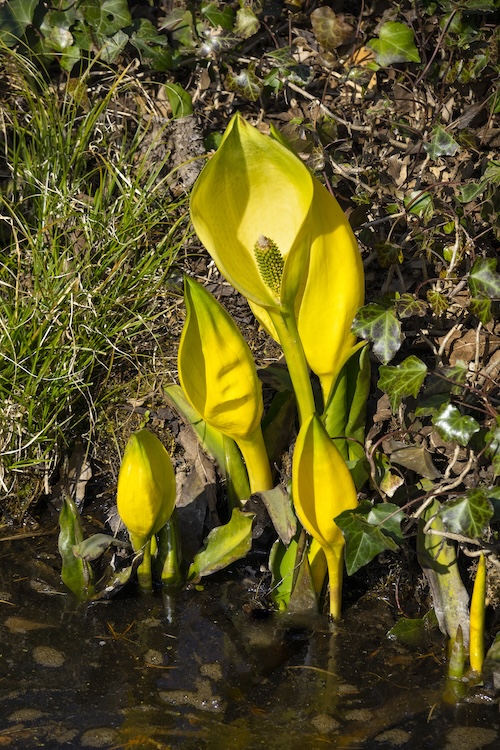
American skunk cabbage (Lysichiton americanus) is an invasive, non-native perennial plant that originates from North America. Known for its large, heart-shaped leaves and distinctive yellow flowers, it thrives in wetlands, riverbanks and other damp environments.
Although striking in appearance, this invasive species can cause significant problems for native habitats. As it spreads, it competes with native vegetation, reduces biodiversity and can become increasingly difficult to control.
Understanding how to identify the plant, where it grows and how to get rid of American skunk cabbage is therefore important for protecting the UK’s natural environment.
Why Is American Skunk Cabbage a Problem in the UK?
This invasive plant poses a significant threat to native ecosystems, particularly in wetland habitats.
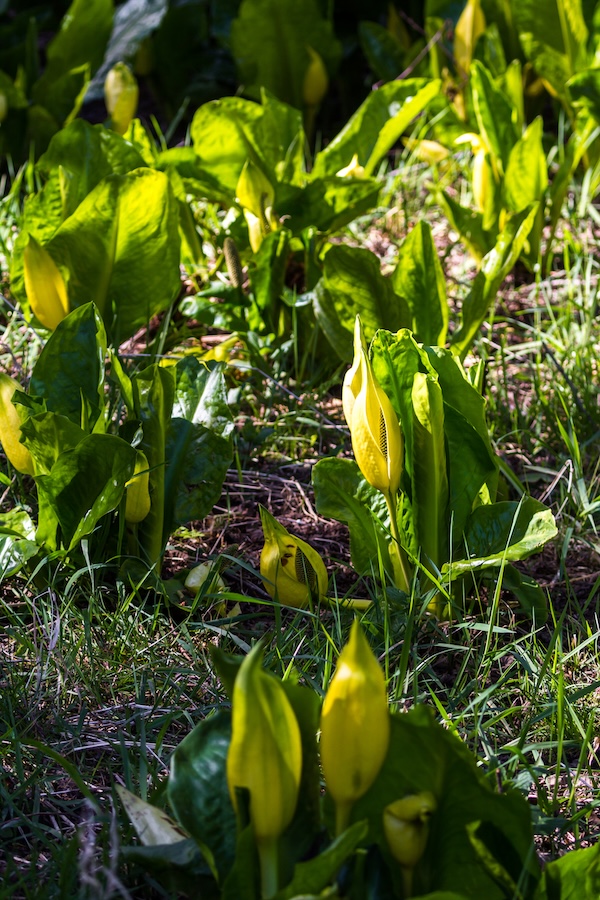
As it establishes, its large leaves form dense stands that compete with native vegetation for sunlight, space and nutrients. Consequently, smaller native plants can struggle to survive, leading to a gradual reduction in plant diversity.
This loss of native vegetation can also affect the wider ecosystem. Insects, birds and other wildlife depend on healthy, diverse habitats for food and shelter. Therefore, when invasive species dominate an area, the effects can extend beyond the plants themselves.
Furthermore, the plant can spread along waterways, allowing it to establish in new locations and making effective management increasingly important.
Understanding and Identifying American Skunk Cabbage
One of the easiest ways to identify this non-native species is by its distinctive appearance and strong, unpleasant odour.
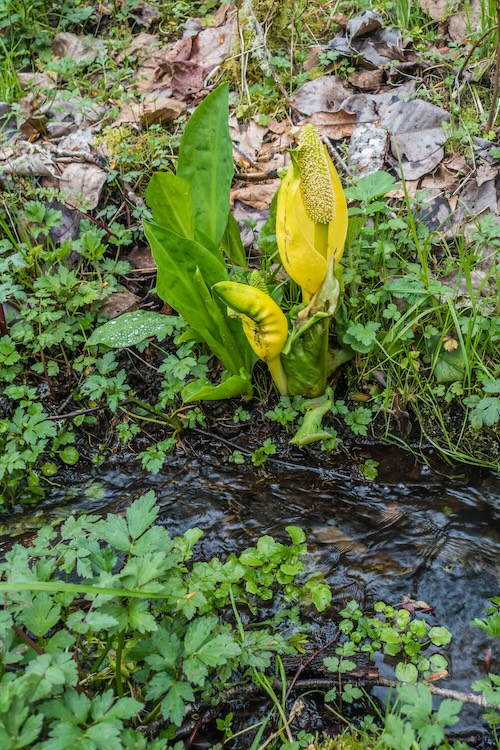
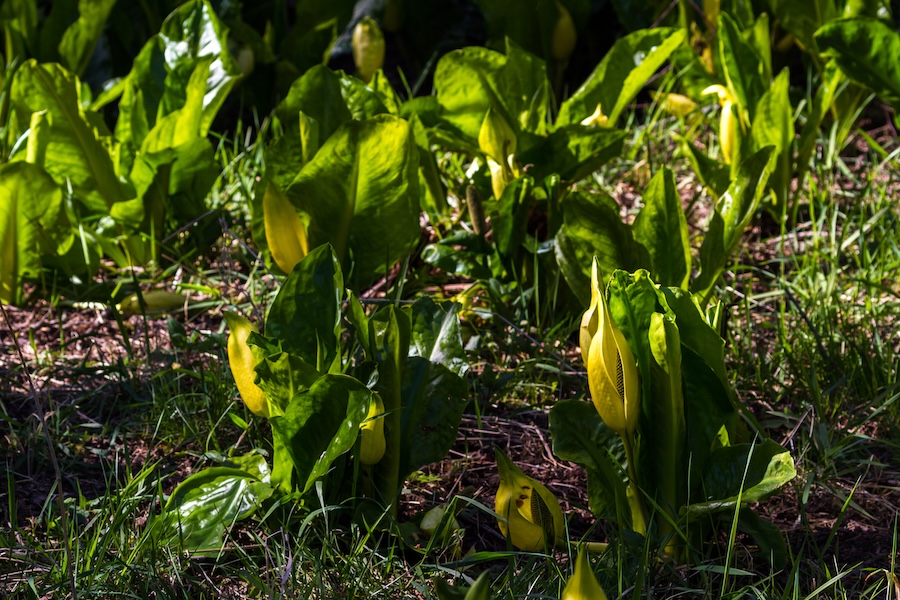
In early spring, the plant produces a bright yellow, hood-like structure known as a spathe, which surrounds a flowering spike called a spadix. These flowers often appear before the leaves have fully developed and attract pollinating insects, including flies and beetles.
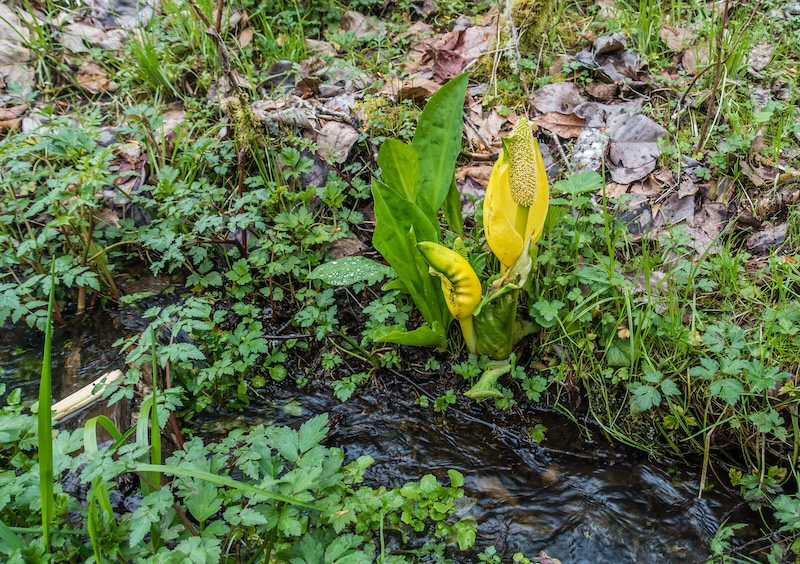
As the growing season progresses, the plant develops large, glossy green leaves that can reach approximately three feet in length or more.
Over time, dense colonies can form, overshadowing surrounding vegetation. As a result, native species may find it increasingly difficult to establish and grow.
Where Does American Skunk Cabbage Grow?
The plant prefers wet, nutrient-rich soils and is commonly found in damp or waterlogged environments.
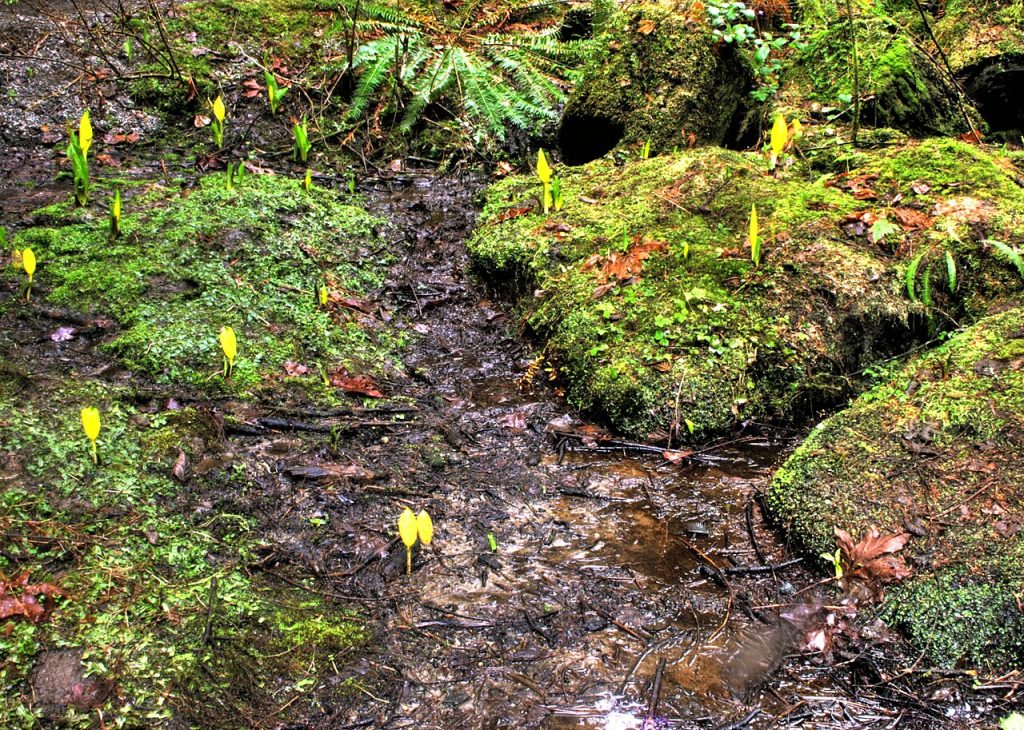
Typical habitats include riverbanks, streamsides, wet woodlands, marshes, ponds and wet meadows. It can also establish in parks, gardens and nature reserves, particularly where moisture levels remain consistently high.
Although it tolerates partial shade, the plant can also thrive in more open locations where conditions are suitable.
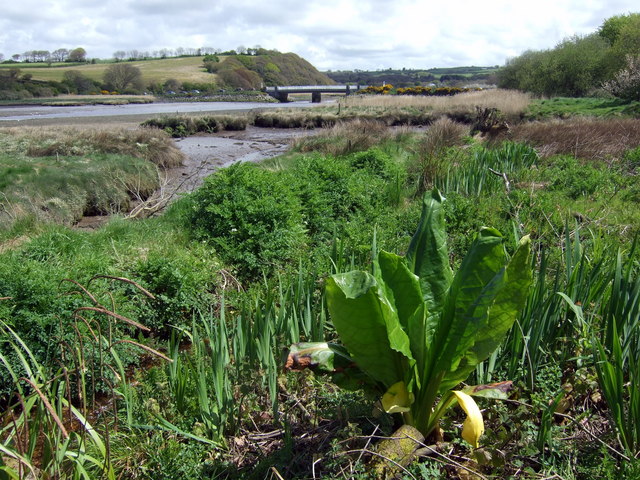
Because these habitats are often connected by waterways, seeds can spread beyond the original location, allowing new infestations to establish across wider areas.
Concerned about invasive plants on your land? Endrick Environmental can provide advice on identifying invasive species and assessing appropriate control options. Contact our team to discuss your requirements.
How Does This Invasive Plant Spread?
American skunk cabbage spreads primarily through seeds, although established plants can also regrow from underground rhizomes.
Once mature, the plant produces seeds that may be dispersed by water, particularly along rivers, streams and drainage channels. This allows new plants to establish further downstream, sometimes considerable distances from the original infestation.
In addition, its substantial underground rhizome system makes established plants difficult to remove completely. If viable sections remain following excavation, regrowth may occur.
Consequently, even relatively small infestations can become more difficult to manage if left untreated.
Early identification and appropriate control are therefore important for limiting further spread.
How to Get Rid of American Skunk Cabbage in the UK
Knowing how to get rid of American skunk cabbage is important for landowners, estate managers and organisations responsible for maintaining natural habitats.
However, successful control depends on several factors, including the size of the infestation, its location and the surrounding environment.
Mechanical Removal
For smaller infestations, mechanical removal may be an appropriate option.
This involves carefully excavating the plant and removing its underground rhizome system. However, it is important to minimise disturbance and avoid leaving viable plant material behind, as this may result in regrowth.
Additionally, soil disturbance can encourage further germination where seeds are already present.
All removed material must be handled and disposed of appropriately to prevent the plant from spreading to new locations.
Herbicide Treatment
For larger or more established infestations, carefully planned herbicide treatment may be considered.
Systemic herbicides can help control invasive plants, although the effectiveness of treatment depends on the product, application timing and growing conditions.
Importantly, herbicide use in or near water requires particular care. Only products authorised for the intended use should be considered, and relevant regulatory requirements must be followed.
Professional assessment is therefore advisable, particularly where infestations are growing alongside rivers, streams, ponds or other sensitive habitats.
Monitoring and Follow-Up Treatment
Regardless of the control method used, ongoing monitoring is essential.
The plant can return through surviving underground material or seeds already present in the soil. Consequently, a single treatment may not be sufficient to eliminate an established infestation.
Regular inspections and follow-up control can help identify new growth before it becomes established.
Need help controlling American skunk cabbage? Endrick Environmental can advise on invasive plant management and suitable control approaches for your site. Contact us to discuss your infestation and the next steps.
Why Is Controlling American Skunk Cabbage Important?
Managing invasive species is an important part of protecting and restoring native habitats.
By reducing their spread, landowners and conservation organisations can create opportunities for native plants to recover.
In turn, healthier plant communities provide food, shelter and habitat for a wider range of insects, birds and other wildlife.
Effective management also helps protect the long-term ecological value of rivers, wetlands and woodland environments.
The Challenges of Long-Term Invasive Plant Control
Despite the availability of different control methods, managing established infestations can be challenging.
Mature plants develop substantial underground systems, while seeds already present in the soil can produce new growth following initial treatment.
Furthermore, infestations along waterways may be particularly difficult to manage because seeds can move between connected habitats.
For these reasons, long-term control often requires a planned approach rather than a single removal exercise.
Regular monitoring, appropriate treatment and cooperation between neighbouring landowners can all contribute to more effective management.
Working Together to Protect Native Habitats
Preventing the further spread of invasive plants requires a coordinated approach.
Landowners, local communities, conservation groups and environmental organisations all have a role to play in identifying infestations and supporting appropriate management.
In particular, working together along connected rivers and watercourses can help reduce the risk of invasive species spreading between neighbouring sites.
By identifying problems early and taking appropriate action, we can help protect native vegetation, improve biodiversity and support healthier ecosystems for the future.
Contact Endrick Environmental for Invasive Plant Advice
If you have identified American skunk cabbage on your land or are concerned about an invasive plant infestation, Endrick Environmental can help you understand your options.
Whether you manage private land, a rural estate or an environmentally sensitive site, seeking advice early can help prevent further spread and support effective long-term management.
Contact Endrick Environmental today to discuss invasive species management and suitable control options for your site.